Keeping the House in Order – The Value of Facilities Management Solutions
“Housekeeping ain’t no joke” – Louisa May Alcott
The author of literary classics like Little Women was probably not referring to modern facilities management when she made that statement, but the observation remains relevant. As organizations continue to grow, managing facilities efficiently has become increasingly important.
The global facilities management market has expanded rapidly as enterprises recognize the value of software-driven solutions that help manage assets, operations, infrastructure, maintenance, and workplace services more effectively.
Transparent Visibility and Better Planning
As organizations expand across multiple locations, facilities become more diverse and increasingly difficult to manage using traditional methods.
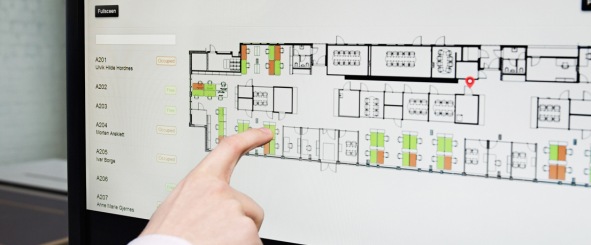
Facilities Management Solutions provide a centralized view of assets, resources, maintenance activities, and operational performance across the enterprise.
By integrating with ERP systems, GIS platforms, and other business applications, organizations gain access to accurate and up-to-date information for faster planning and decision-making.
Cost Savings Through Better Resource Utilization
Cost reduction is often one of the most compelling reasons organizations invest in Facilities Management Solutions.
A consolidated view of resources allows organizations to optimize asset utilization, improve inventory management, reduce duplication, and streamline operational processes.
Organizations can aggregate requirements across locations, minimize overstocking, and reduce unnecessary procurement expenses while improving service delivery.
Preparing for the Future
Technology continues to transform the modern workplace. Smart buildings, mobile technologies, IoT devices, and advanced analytics are becoming standard components of workplace operations.
Modern Facilities Management Solutions are designed to integrate with emerging technologies, allowing organizations to leverage innovation without disrupting existing processes.
This future-ready approach ensures that facilities operations can evolve alongside changing business requirements.
Enhancing Workplace Safety
Employee safety remains one of the highest priorities for organizations across all industries.
Facilities Management Solutions provide real-time visibility into assets, equipment conditions, maintenance schedules, and workplace environments, helping organizations identify potential risks before they become serious issues.
Proactive monitoring and preventive maintenance reduce the likelihood of accidents, equipment failures, and operational disruptions.
Easier Reporting and Compliance
Organizations must comply with numerous regulations relating to workplace safety, environmental standards, and operational governance.
Facilities Management Solutions simplify compliance by providing automated reporting capabilities, audit trails, and centralized documentation.
Managers can quickly identify areas requiring corrective action and ensure compliance requirements are met consistently across all locations.
A Strategic Business Tool
Facilities Management is no longer limited to maintaining buildings and equipment. It has become a strategic function that directly impacts productivity, employee experience, operational efficiency, and financial performance.
Comprehensive Facilities Management Solutions empower organizations to make better decisions, optimize resources, and create safer, more efficient workplaces.
Conclusion
Managing modern facilities is a complex responsibility that requires visibility, planning, coordination, and continuous improvement.
Facilities Management Solutions provide organizations with the tools needed to simplify operations, reduce costs, improve compliance, enhance safety, and prepare for future growth.
For organizations seeking to improve operational performance, the value of Facilities Management Solutions is both practical and measurable.
Blogs
The 5 Top Benefits of Effective Space Management With Archibus
The Big Leap from Facilities Management to Integrated Workplace Management

How An Effective Facilities Management Solution Can Help Make Green Buildings a Reality
The Key Role Of The Mobile In Facilities Management Today

The Clear Case For Hot-desking
Case Studies
GCAA, Abu Dhabi, UAE
Cranedge India Pvt. Ltd.
EMCO, Qatar