How An Effective Facilities Management Solution Can Help Make Green Buildings a Reality
It has become very evident that man is among the chief contributors to global warming and climate change. Research suggests that the service industry adversely impacts the environment due to its high energy consumption.
Fueled by concerns about climate change and rising energy costs, green initiatives continue to gain momentum throughout the world. Reducing the environmental impact of commercial buildings is now a major focus area.
This article discusses how a comprehensive Facilities Management Solution can help organizations create environmentally sustainable buildings.
What are Green Buildings?
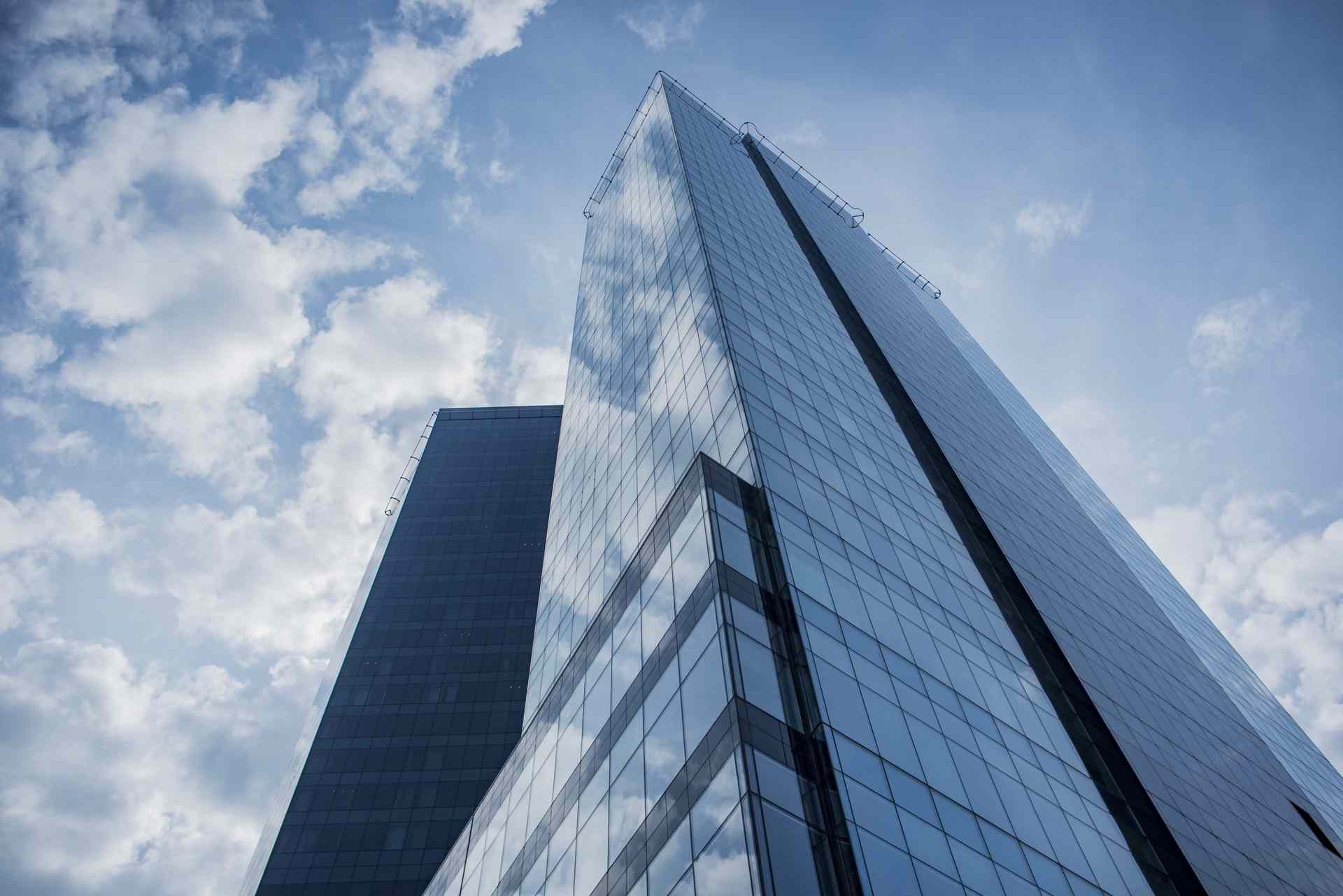
Green buildings are structures that reduce adverse environmental impacts when compared to conventional buildings.
They focus on efficient utilization of resources, optimum space usage, waste management, recycling, pollution reduction and improved air quality.
Green building practices continue throughout the complete lifecycle of a building and not just during design and construction.
Green buildings are evaluated on social, economic and environmental parameters. Popular global rating systems include BREEAM and LEED.
FM Solution and How Its Strategies Can Help Organizations Achieve Sustainability
Not every organization immediately commits to the highest standards of green building initiatives due to budget limitations and operational priorities.
Facilities Management solutions help organizations create practical sustainability programs based on available resources and long-term environmental goals.
Through intelligent planning and automation, organizations can improve sustainability through energy savings, space optimization and waste reduction.
Energy Management
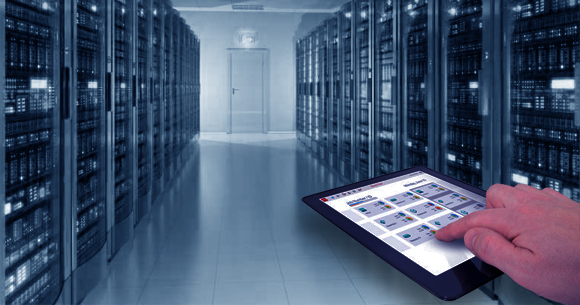
A robust FM solution helps organizations manage energy consumption efficiently.
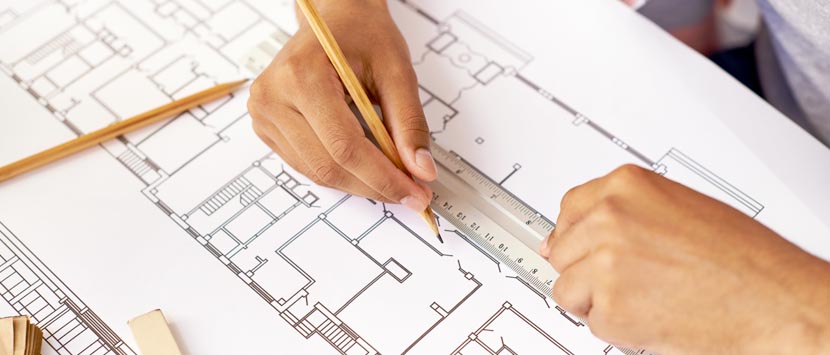
Intelligent building design, automated blinds, lighting controls and space planning help maximize natural daylight and reduce electricity usage.
Systems such as lighting, HVAC units and electrical equipment can be automatically controlled using occupancy patterns and operational intelligence.
Data collected over time provides insights that help organizations continuously optimize energy usage.
Low-flow water fixtures, LED lighting and other energy-efficient technologies can further reduce environmental impact.
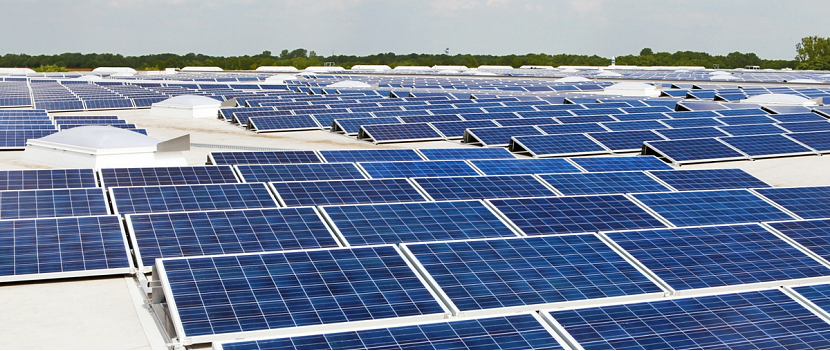
FM solutions also assist with strategies such as rainwater harvesting and solar energy utilization.
Ongoing Operations and Maintenance
Preventive maintenance keeps buildings and equipment operating at peak efficiency while reducing environmental impact.
Intelligent maintenance programs ensure systems consume less energy and remain reliable over longer periods.
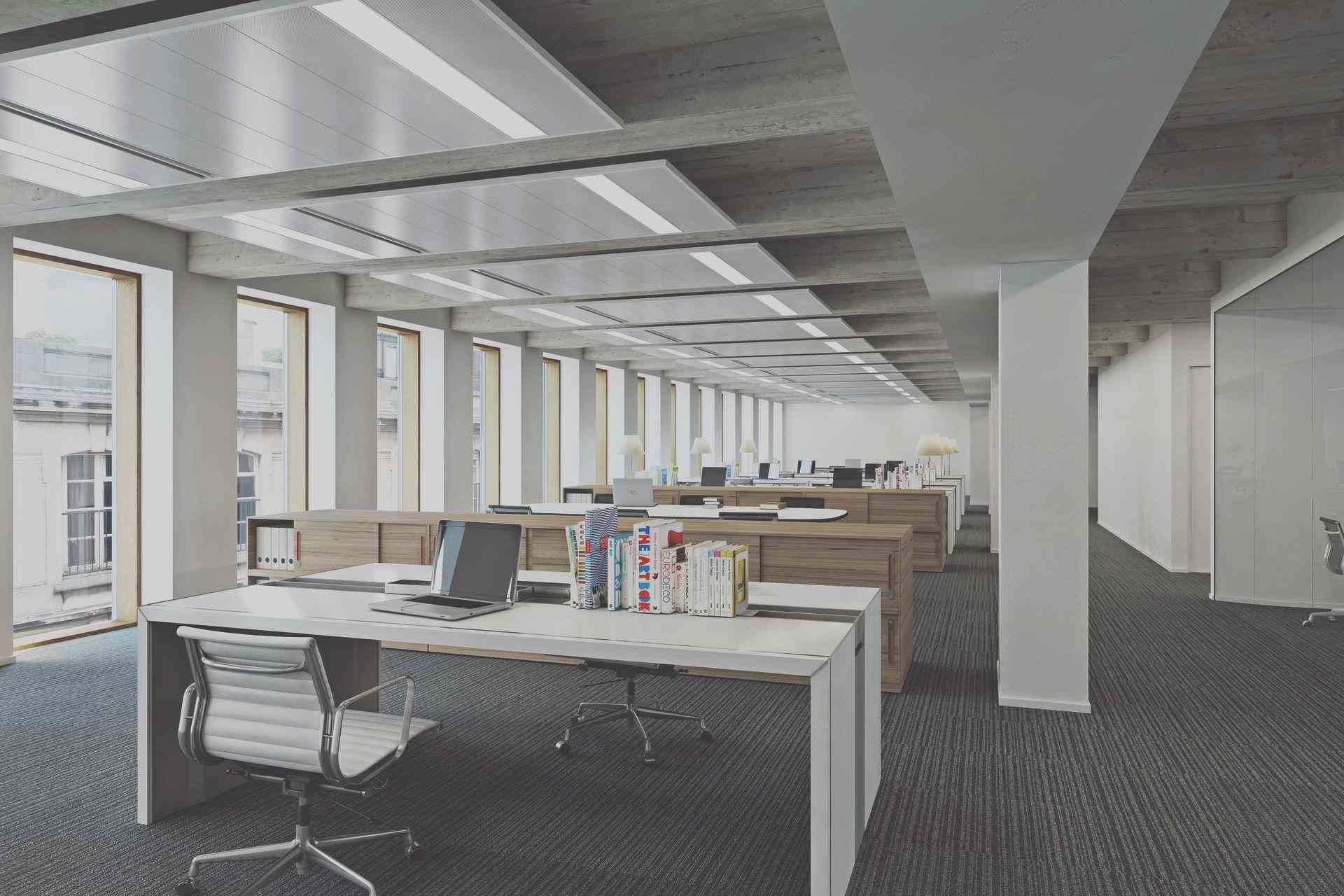
Space utilization analytics help organizations make better use of existing facilities and reduce the need for additional construction.
Waste management can also be improved through data-driven planning, optimized collection schedules and reduced waste generation.
Environmentally Sustainable Products
Choosing environmentally responsible materials is essential both during construction and throughout building operations.
Facilities Management solutions help organizations identify, standardize and monitor sustainable materials and products.
They also help identify misleading "greenwashing" claims and ensure materials genuinely support sustainability objectives.
Policy initiatives such as using local materials, biodegradable products, paperless operations and employee carpooling programs can be monitored through FM solutions.
As organizations increasingly embrace sustainability, Facilities Management solutions provide the intelligence and operational framework required to achieve environmental goals effectively.
The journey toward a sustainable future becomes easier when backed by data-driven Facilities Management practices.