Why Should Asset Tracking Be the First Priority for Your Facilities Management?
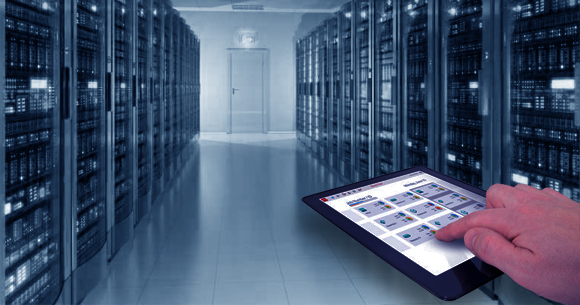
Technological innovations are getting more sophisticated by the day. In times where buildings and campuses are embracing technology and becoming smart, the effective operations and management of these facilities have become increasingly important.
Organizations today are capitalizing on new technologies in the area of facilities management to improve productivity and operational efficiency.
The scope of facilities management is not restricted to the physical property of a facility. It can be broadly divided into:
- Soft services including housekeeping, office services, pest control and guest relations.
- Hard services including mechanical & electrical works, plumbing, energy management and IT support.
- Safety & security services for facility users and visitors.
- Strategic direction and control to drive cost efficiency and operational impact.
Assets within the facility play a crucial role in supporting workers, whether on-premise or remote.
Why Is Asset Tracking Important?
Companies invest substantial funds in acquiring both tangible and intangible assets. Asset tracking plays a critical role in ensuring operational efficiency and facility success.
1. Better Planning
Asset tracking helps facility managers know what assets are available and where they are located. This improves planning and prevents operational disruptions.
2. Optimum Utilization Of Resources
Tracking assets helps organizations ensure that resources are neither overused nor underutilized, improving productivity and profitability.
3. Efficient Allocation Of Funds
Asset tracking provides accurate information about owned resources, helping managers allocate budgets efficiently and improve return on investment.
4. Effective Decision Making
Reliable asset data enables better operational and strategic decisions, helping organizations improve long-term planning.
5. Operation And Maintenance
Asset tracking supports preventive maintenance, reduces downtime, extends asset life and lowers operational expenses.
Blogs

How to Maximize the Value of Enterprise Assets With Archibus

The 5 Top Benefits of Effective Space Management With Archibus
Why Should Asset Tracking Be The First Priority?

How Archibus Can Benefit Educational Institutions

How Is Archibus Helping Enterprises Enable Employee Performance?
Case Studies
GCAA, Abu Dhabi, UAE
Cranedge India Pvt. Ltd.

EMCO, Qatar